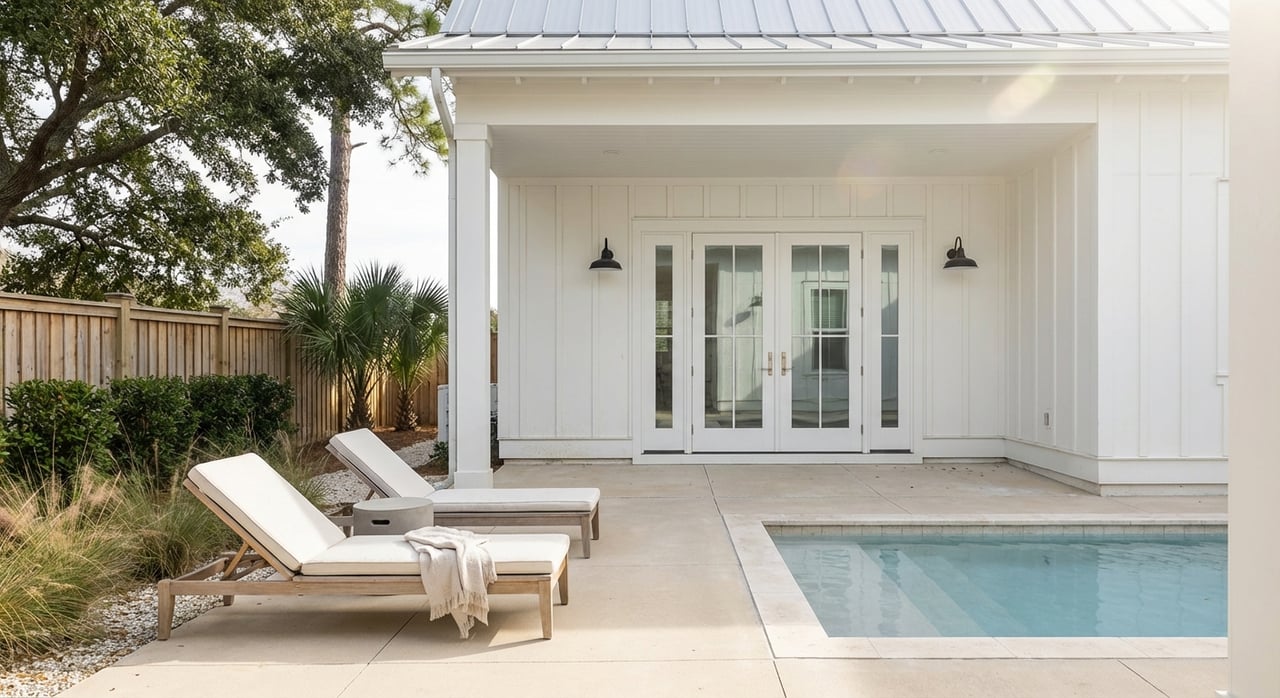
Thinking about a beach home that helps pay for itself? If Santa Rosa Beach is on your shortlist, you’re smart to look beyond pretty photos and dig into real demand, rules, and costs. In this guide, you’ll learn how to size up short-term rental potential on 30A with a clear framework you can use before you write an offer. You’ll also get a practical checklist to avoid costly surprises. Let’s dive in.
Why Santa Rosa Beach works for STRs
Santa Rosa Beach sits on Florida’s Gulf Coast, where summer brings peak travel. Families and multi-family groups typically drive the strongest occupancy from Memorial Day through Labor Day, with spring and fall offering selective demand from break weeks and events. To model revenue well, you should track monthly occupancy and ADR, not just annual averages.
Short drives from Atlanta, Birmingham, New Orleans, and cities across Florida boost weekend and holiday bookings. Local festivals and seasonal happenings can lift ADR for specific weeks. Keep an eye on the Visit South Walton events calendar to plan pricing and minimum stays around demand spikes.
Seasonality and storms
Summer is prime time, but hurricane season runs June 1 to November 30. Storm threats, evacuations, and post-storm recovery can impact occupancy and insurance. When you underwrite, stress test for a storm year and confirm local norms through the NOAA National Hurricane Center.
Beach access matters
Walkability and time-to-beach drive ADR and occupancy. Properties with private or deeded access, or immediate beach views, often command premium rates. The type of access, distance in minutes or feet, parking availability at access points, and any dune or restoration projects can all influence desirability.
Events and drive markets
Holidays, school breaks, and coastal events create short demand surges that reward proactive pricing. Set calendar-specific minimum stays and rate strategies around those weeks. Monitor the Visit South Walton events calendar to anticipate booking patterns early.
Amenities that book nights
Guests value features that make group travel easy and comfortable. High-impact amenities include a private or community pool, elevator access in multi-story condos, ample parking, outdoor living areas, updated kitchens, durable finishes, and laundry. Proximity to restaurants, grocery options, and bike paths helps sustain shoulder-season occupancy.
Know the rules before you buy
Short-term rental performance depends on what you are allowed to operate, not just what you want to offer. Review county requirements, HOA rules, taxes, and local nuisance standards before you commit.
County rules and registration
Confirm whether Walton County requires registration, a local contact, and safety compliance for short-term rentals. Review parking and occupancy standards as well as noise ordinances. Check for enforcement patterns and any inspection triggers tied to STR activity.
HOA and deed restrictions
Many HOAs regulate or limit short-term rentals with minimum stay rules, parking limits, or caps. Always obtain CC&Rs and ask HOA management or counsel for written confirmation of rental policies. Verbal assurances are not enough.
Taxes you must register for
Most STRs in Florida must register for state sales tax and remit county bed taxes. Set up state accounts through the Florida Department of Revenue registration portal. For county bed tax, follow the Walton County Tourist Development Tax guidance.
Insurance and hazard exposure
Coastal property insurance can be a major line item. Standard homeowner policies exclude flood, so you may need separate flood coverage and wind or hurricane policies. Review FEMA Flood Insurance Rate Maps and any available elevation certificates through the FEMA Flood Map Service Center. Budget for percentage-based hurricane deductibles and consider long-term erosion or dune projects that may alter access.
Underwrite with local data
Ground your pro forma in Santa Rosa Beach data by month. Relying on national averages can cause big misses in a coastal market with sharp seasonal swings.
Revenue inputs to model
- Monthly ADR by month, with weekly granularity for peak weeks
- Monthly occupancy by month tailored to 30A seasonality
- Length of stay, booking lead times, and cancellation patterns
- Channel mix and repeat guest share across Airbnb, Vrbo, and direct bookings
- Fees that guests pay, such as cleaning, pets, or early check-in
Use market tools like AirDNA and cross-check with live calendars on Airbnb and Vrbo. Build in conservative assumptions for shoulder months and allow time to earn reviews in year one.
Expenses to budget
- Variable costs: turnover cleaning, linens, supplies, utilities, platform fees, credit card processing
- Fixed costs: property management, insurance, property taxes, HOA dues, landscaping, pest control, maintenance
- Reserves: furnishings refresh, repainting, AC and roof reserves. Many operators hold 5 to 10 percent of gross revenue for CapEx
Run sensitivity tests with ADR down 10 to 25 percent, occupancy down 10 to 25 percent, and higher insurance or HOA fees. Stress-test a storm season with downtime.
Quick metrics to track
- Gross Rental Income: ADR × nights available × occupancy, plus fees
- Effective Gross Revenue: Gross revenue minus platform fees if not already expensed
- Net Operating Income: Effective revenue minus operating expenses and management
- Cash Flow Before Tax: NOI minus debt service
- Cash-on-Cash Return: Annual cash flow before tax divided by equity invested
- Break-even Occupancy: (Fixed costs + debt service) ÷ (ADR × nights − variable cost per booking)
Manage for guest experience
Decide whether to self-manage or use a full-service manager. A quality manager can handle dynamic pricing, listings, guest support, cleaning, maintenance, and tax remittance. Full-service fees often range from 15 to 35 percent of rental revenue depending on scope and seasonality.
If you self-manage, invest in dynamic pricing tools, a channel manager or PMS, and reliable local vendors. Prioritize a fast-response handyman, pool service, housekeeping with defined service levels, landscaper, and pest control. Use smart locks, clear house rules, professional photos, and hotel-quality linens to earn great reviews and repeat bookings.
On-site and document checklist
Before you go under contract or during due diligence, gather and verify:
- HOA documents and written confirmation of STR rules from the HOA
- County STR requirements, plus state and county tax registration details
- Recent STR comps and, if applicable, the property’s prior occupancy and rate history
- Insurance: current premiums, renewal, and quotes for STR use
- Flood data: FEMA flood zone and any elevation certificate via the FEMA Flood Map Service Center
- Walton County records for ownership and parcels through the Walton County Property Appraiser
- On-site checks: walk time to the nearest beach access and parking at that access
- Systems check: HVAC, water heater, roof, appliances, doors and windows for wind mitigation
- Parking limits and ingress on busy weekends
- Internet speed and cell coverage expectations
- Layout fit: bathrooms per bedroom, privacy for groups, and any shared amenities like pool or elevator
Common pitfalls to avoid
- Using national STR averages instead of local monthly data
- Relying on verbal HOA guidance without written confirmation
- Underestimating insurance costs for wind, hurricane, and flood
- Forgetting to model owner-use and blocked nights
- Missing parking and occupancy limitations or local nuisance enforcement
- Underfunding reserves for furnishings and coastal wear
- Relying on a single booking channel or one manager
- Ignoring storm-year impacts during hurricane season
How we can help
You deserve a clear path to a confident purchase. As a boutique team rooted in Santa Rosa Beach, we help you validate rental potential with neighborhood-specific comps, guidance on HOA and county requirements, introductions to vetted managers, and coordinated inspections that focus on what guests value most. Our Sotheby’s platform and white-glove process keep the details tight so you can focus on lifestyle and returns.
If you’re exploring an STR along 30A, let’s build a plan that fits your goals and risk profile. Reach out to Kim Polakoff to Request a White-Glove Consultation.
FAQs
When is peak season for Santa Rosa Beach rentals?
- Summer, especially Memorial Day through Labor Day, drives the strongest occupancy. Spring and fall can add selective demand from break weeks and events.
What taxes apply to Walton County short-term rentals?
- Most STRs require Florida state sales tax registration and county Tourist Development Tax registration. Budget for proper setup and monthly remittance.
How can I check flood risk for a beach-area home?
- Look up the property’s flood zone and elevation through the FEMA Flood Map Service Center and obtain quotes for flood and wind coverage from local agents.
What are typical property management fees on 30A?
- Full-service management often ranges from 15 to 35 percent of rental revenue, depending on scope, property type, and seasonality.
Which amenities help maximize occupancy and ADR?
- Beach access, a pool, elevator access in multi-story condos, ample parking, outdoor living space, updated kitchens, laundry, and proximity to dining and bike paths.